Can You Get Solar on a Mobile Home That Is Not on a Permanent Foundation?
Yes. Your foundation has nothing to do with whether your home can have solar. A manufactured home on piers, blocks, or a non-permanent foundation can be solar-powered the same as any other home. If an installer told you otherwise, they were describing their own limits, not yours.
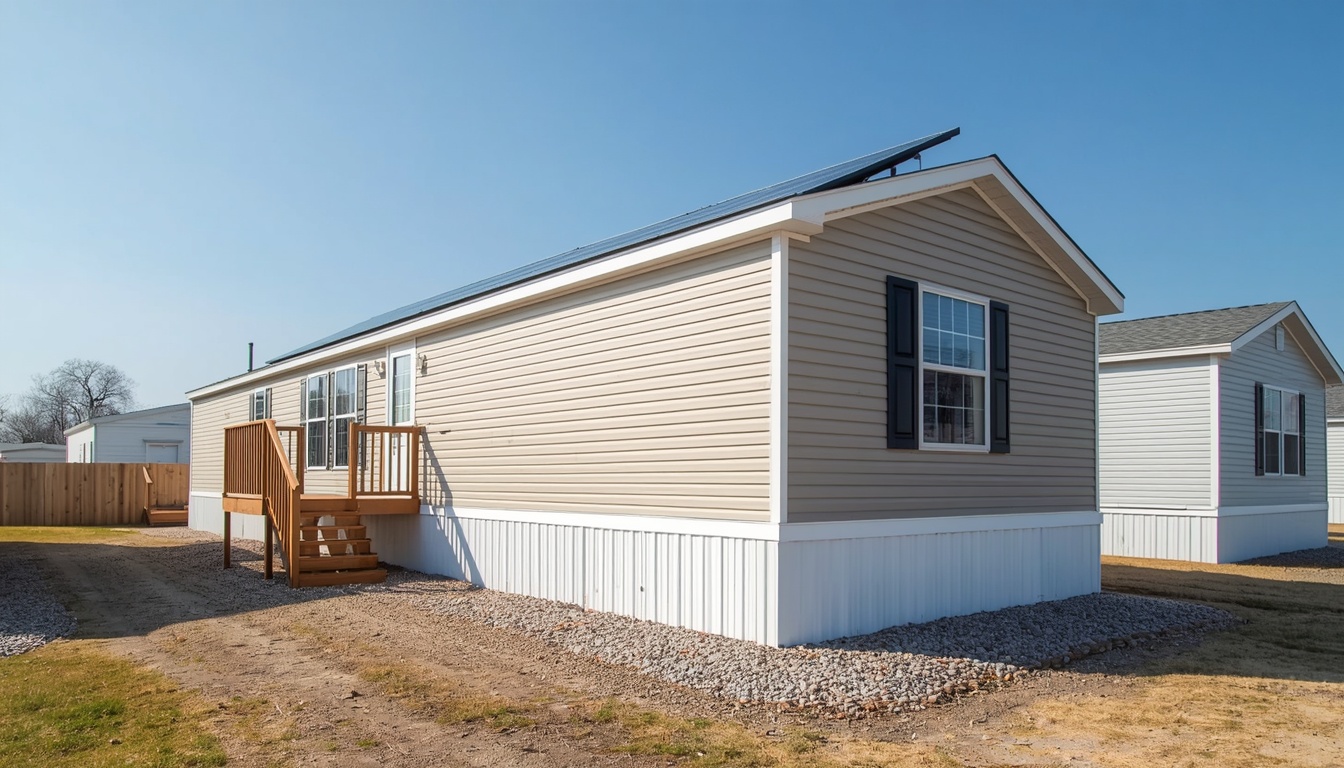
Why people think foundation matters
The confusion is real, and it comes from somewhere. Foundation type genuinely does matter for some things involving manufactured homes. It affects whether your home is classified as real property or personal property. It affects certain kinds of mortgage financing, particularly FHA and VA loans, which often require a permanent foundation. It can affect property taxes and resale.
None of that has anything to do with putting solar panels on your roof. Solar is attached to your home. It is not attached to the ground underneath it, and it does not care how your home is supported. The panels sit on the roof, the equipment mounts to the home, and the system connects to your electrical service. Your foundation is not part of that chain.
Why an installer told you no
Most solar companies are built around stick-built homes on standard lots. When a manufactured home comes across their desk, several things happen at once: the roof is a different construction than they are used to, the permitting runs through a different state agency, the park adds a layer they do not want to deal with, and the job is smaller than the suburban rooftop they would rather be doing.
"Your home is not on a permanent foundation" is an easy thing to say. It sounds technical, it sounds final, and it ends the conversation without anyone having to explain that they simply do not work on manufactured homes.
Some will instead steer you toward a ground mount or a carport system, which are real options but almost always more expensive than using the roof you already have. If you were quoted a ground mount because your roof was ruled out, it is worth getting a second opinion on the roof.
What actually matters
These are the things that genuinely affect whether your home can support solar: the condition and age of your roof, roof area and orientation, and how your space is metered. If your park bills you for electricity rather than the utility billing you directly, that changes how the system is set up — see how solar works in a submetered park — but it does not disqualify you.
Permitting for manufactured homes in California runs through the Department of Housing and Community Development rather than your city building department. Notice what is not on that list.
What about leased land?
Most people in manufactured home communities own their home and lease the space it sits on. That is the normal arrangement, and it does not prevent you from getting solar.
The system goes on your home, which you own. You are not making a permanent alteration to land you do not own. In California, state law specifically protects the right of manufactured home owners in directly metered parks to install solar, and it voids lease provisions that try to prohibit it — see what the law says.
Frequently asked questions
Does my mobile home need a permanent foundation for solar?
No. Foundation type does not affect whether solar can be installed. It matters for things like mortgage classification and property taxes, but it has no bearing on mounting a solar system to your home.
Why did a solar company tell me my home would not qualify?
Most solar companies specialize in traditional site-built homes and are not set up for manufactured home construction, permitting, or park communities. Declining the job is easier than explaining that. It usually reflects their capabilities rather than your home's.
Can I get solar if I lease the land my home sits on?
Yes. The system is installed on your home, which you own. Leasing your space does not disqualify you, and California law protects this right for residents of directly metered parks.
Do I need a ground mount or carport instead of roof panels?
Usually not. Ground mounts and carports are legitimate options in certain situations, but they typically cost more than using your existing roof. If you were told your roof would not work, it is worth having someone look again.
What does it cost to find out if my home qualifies?
Nothing. There is no cost to have your home evaluated, and no credit check involved at any point.
Find out what is possible for your home
No credit check, no money down.