Why Is My Electric Bill So High in a Mobile Home Park?
If your park bills you for electricity rather than the utility billing you directly, there are two things working against you at once. California already has some of the highest electricity rates in the country, and park billing can add another layer on top of that. Most residents never see the breakdown, so the bill just seems high without an explanation.
First, find out who actually bills you
This is the question almost nobody can answer off the top of their head, and it determines everything else.
If your monthly electric bill arrives from SDG&E, Southern California Edison, or another utility with their name on it, you're directly metered. You are a utility customer like any other household.
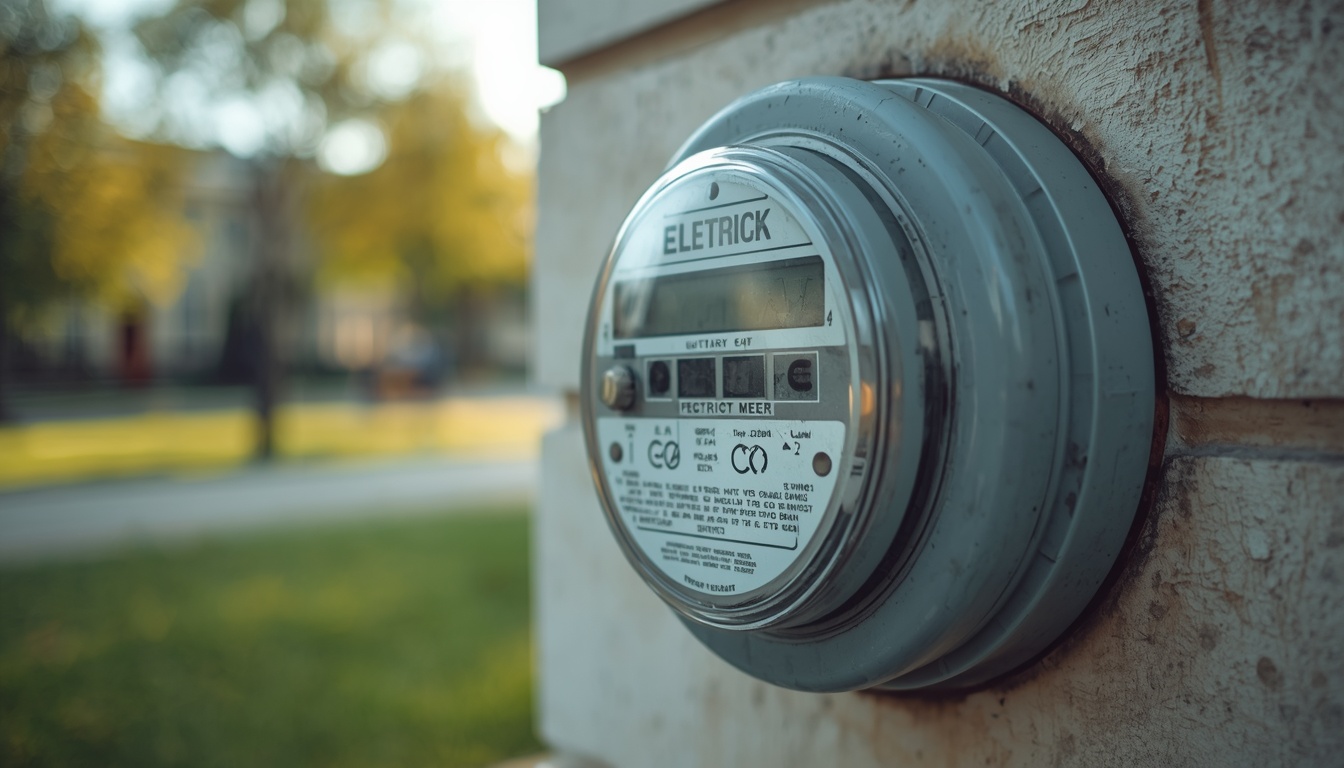
If electricity appears as a line on your space rent statement, or you get a separate bill from park management, your park is master metered. The park buys power from the utility on one large meter and bills residents individually through submeters. Look at last month's statement. Whose name is at the top? That one detail changes what your options are.
Why master metered park bills run high
In a master metered park, the park is the utility's customer and you are the park's customer. California regulates how much parks can charge residents, and the intent of that regulation is that you should not pay more than you would as a direct utility customer. In practice, residents often end up paying more than they expect — how the park allocates common area power, how submeter readings are handled, and what administrative charges get added all factor in, and most residents have no visibility into any of it.
California rates are high to begin with
Even direct utility customers in Southern California pay well above the national average, and San Diego Gas and Electric rates in particular run among the highest in the state. A manufactured home is typically smaller than a site-built house, which leads people to expect a small bill — then the number arrives and does not match. Add summer cooling in the inland valleys and desert communities, where triple-digit stretches run for weeks, and bills of several hundred dollars a month stop being unusual.
What you can actually do about it
Conservation helps at the margins. It does not solve a rate problem, because the issue is what you are paying per unit, not only how many units you use.
Solar changes the rate itself. Instead of paying whatever the utility or the park charges, you pay a locked-in rate for the power your system produces. There's no upfront cost, and there's no credit check at any point.
Frequently asked questions
Why is my mobile home electric bill higher than my neighbor's house?
Home size matters less than the rate you pay and how your park handles billing. If your park bills you rather than the utility, your cost per unit can differ from a direct utility customer's, and park billing often includes allocations and charges residents never see itemized.
Is my park allowed to charge me more than the utility would?
California regulates master metered park billing with the intent that residents should not pay more than direct utility customers. Whether a specific park is billing correctly is worth checking against your statement, and the state's mobilehome assistance program can help with disputes.
How do I know if my park is master metered?
Look at who sends your electric bill. If it comes from SDG&E or Southern California Edison with their name on it, you are directly metered. If electricity appears on your rent statement or comes from park management, the park is master metered.
Will solar lower my bill if the park bills me for electricity?
Yes, though the setup is different than it would be for a directly metered home. Master metered parks require a different approach, and it is the situation Solnr specializes in.
What does solar cost upfront?
Nothing. No down payment, no equipment cost, no installation charge, and no credit check at any point in the process.